Global Movement Research
Building a Thinking Archive of Human Movement
Welcome — my name is Sinclair Emoghene, and Global Movement Research is my long-term research-creation project. In this work, I treat human movement as a way of knowing, thinking, remembering, and building worlds. The Thinking Archive platform and the Confluence ecosystem are the digital instruments of this inquiry.
The Questions
- How can human movement be archived in a way that remains alive, relational, and ethically governed — while still allowing rigorous analysis, comparison, and computational reasoning?
- How do dances and other movement practices travel across regions, histories, and bodies?
- What tools and visualizations are needed to see movement as relation, without flattening it into style or motif?
- How can consent, cultural context, and community authority be built into the archive as active constraints — not afterthoughts?
- What might Artificial Embodied Intelligence look like when it serves care, memory, and future possibility — rather than extraction and surveillance?
The Method
This research draws on dance studies, movement analysis, computational ethnography, and archival theory. It is grounded in practice — in the studio, in the capture space, in the code.
"The archive is not a place where things are kept; it is a place where things happen."
— Diana Taylor, The Archive and the RepertoireIf you're a dancer, researcher, archivist, or technologist interested in how movement can be preserved without being frozen — I'd love to hear from you.
Sinclair Emoghene
Global Movement Research
Methodological Framework
Four interlocking frameworks guide this research, each building on the others to create a complete methodology for movement archiving.
Atomic Confluences
ACF maps where and how movement circulates across geography and history — asking where dances gather, branch, and cross. The Confluence Map, with its world-scale arcs and nodes, is the live expression of this framework: a place of diffusion that embodies the very nature of dance, which is permeability.
Active Framework
Dance Replication Process
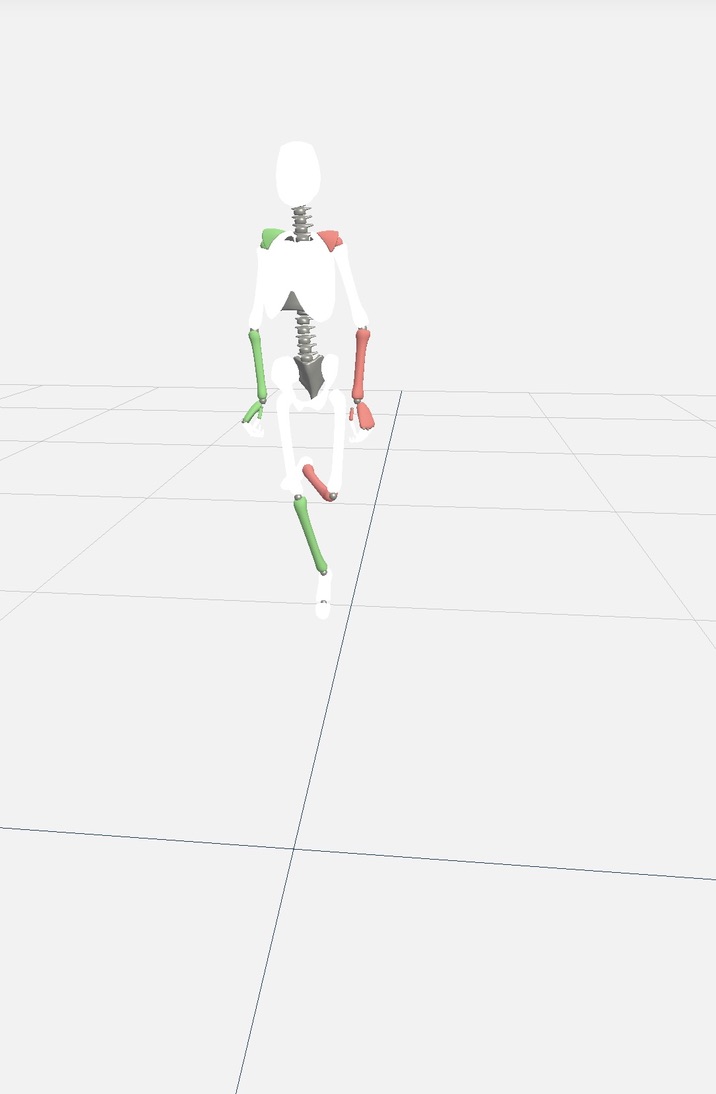
In the Replication Studio, I work with a nine-step process for staying with one practice over time. Dance Replication follows a single dance from first encounter through studio work, into motion capture, computation, interpretation, and return. It is a method for treating dancing bodies as sites of inquiry while protecting the integrity of the form.
Active Framework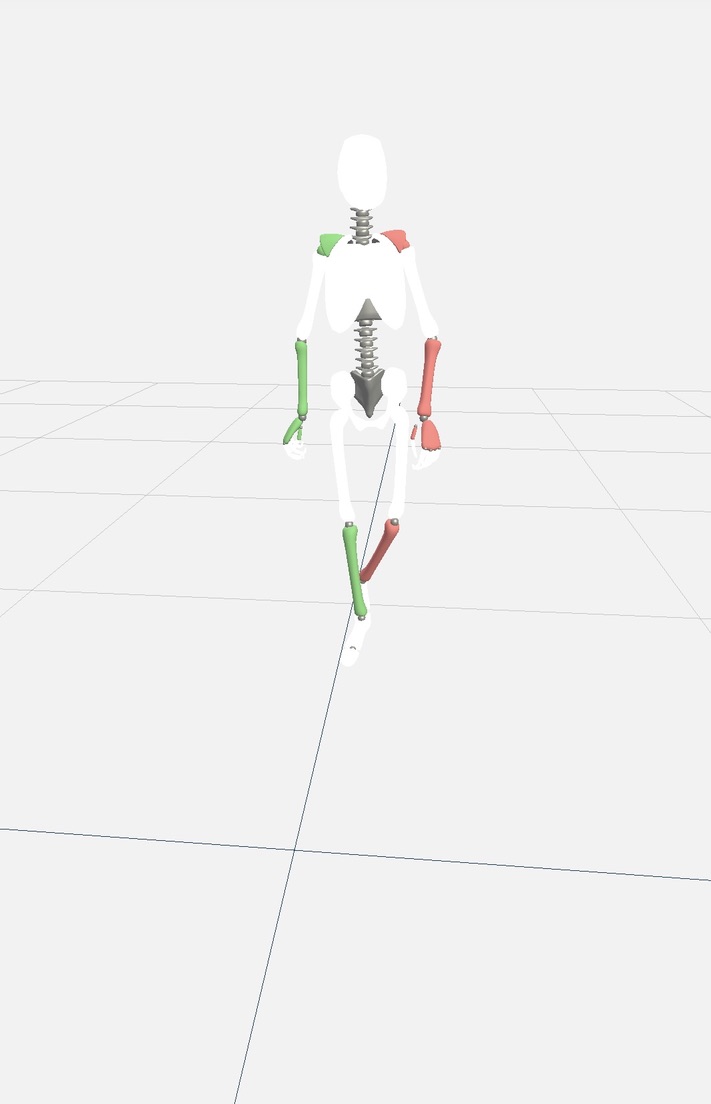
Qualitative Trajectory Calculus & Sequence Alignment Method
QTC and SAM give the archive a language for how bodies move in relation to each other. They translate raw coordinates into qualitative stories of approach, retreat, circling, mirroring, and divergence. In the Confluence Room, they appear as similarity spaces, body-zone breakdowns, and Archive Voice explanations that make the reasoning legible.
Active Framework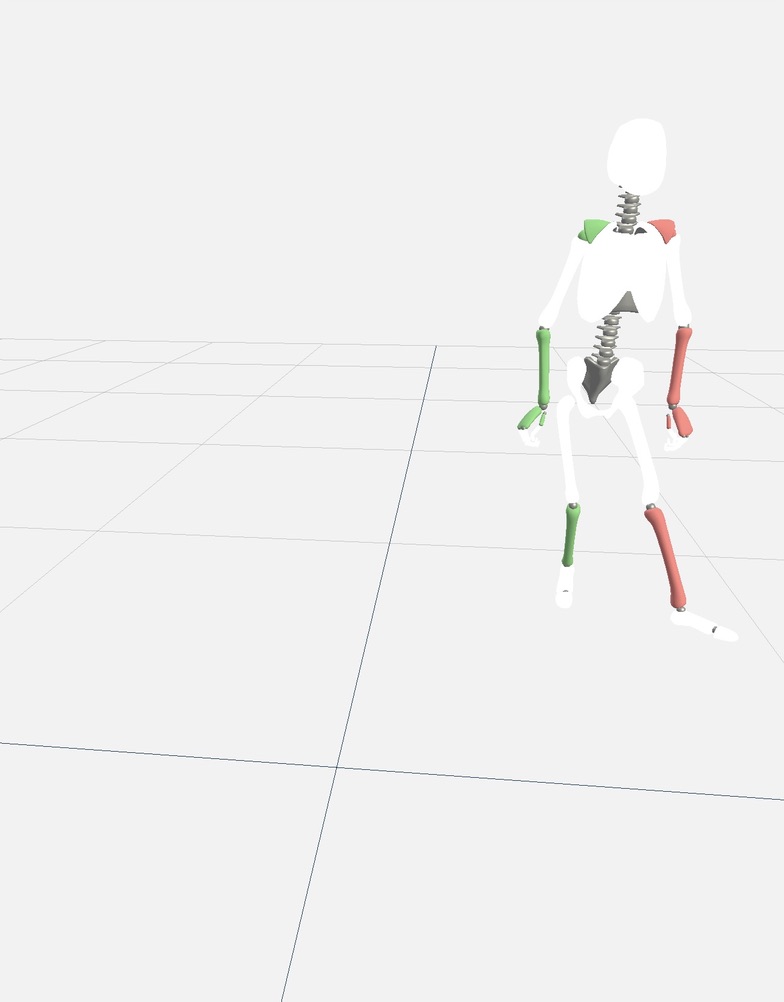
AEI Activation Framework
The AEI Activation Framework imagines the archive as a field of potential movement. AAF outlines reconstructive, diagnostic, cybernetic, and speculative uses of motion data — all accountable to the communities whose movement is being held. It is a way of thinking about Artificial Embodied Intelligence that takes care, cultural context, and relational ethics as first principles.
In Development
Participatory AEI Movement Bank
The next phase of GMR is the Movement Journal app — a mobile interface that allows anyone to record their movement, submit it to the Thinking Archive with clear consent controls, and receive feedback on how their contribution enters the archive.
Movement Journal →The Confluence Ecosystem
Explore the living archive: a 3D visualization of movement traditions, replication studios for deep study, and tools for tracing how dances travel across the globe.
Enter the Archive →Publications
-
In ProgressGlobal Movement Research: From Frozen Archives to Thinking Systems of DanceA diagram-rich research-creation volume tracing the project from frozen archives through Atomic Confluences, Dance Replication, and QTC/SAM — toward the design of a Thinking Archive and AEI.
-
In PreparationThe Thinking Archive: An Immersive System for Ethical Exploration of Embodied Heritage
-
In PreparationThe Nine Steps of Dance Replication
-
In PreparationThe AEI Activation Framework: Toward Artificial Embodied Intelligence in Dance Research
-
In PreparationLiberatory Archives: Ethics of Care in Embodied Data
-
In PreparationArchiving the Moving South: Mapping Dances of West Africa
-
In PreparationMetadata, Memory, and the Migrant Body
-
In PreparationGlobal Movement Research: A Manifesto for the Thinking Archive
-
In PreparationBeyond Embodiment: Meme Theory, Disembodiment, and AI as Emerging Corporealities
This list reflects the publications that ground this research. It will continue to grow as new publications are accepted and published.
Confluence Makers
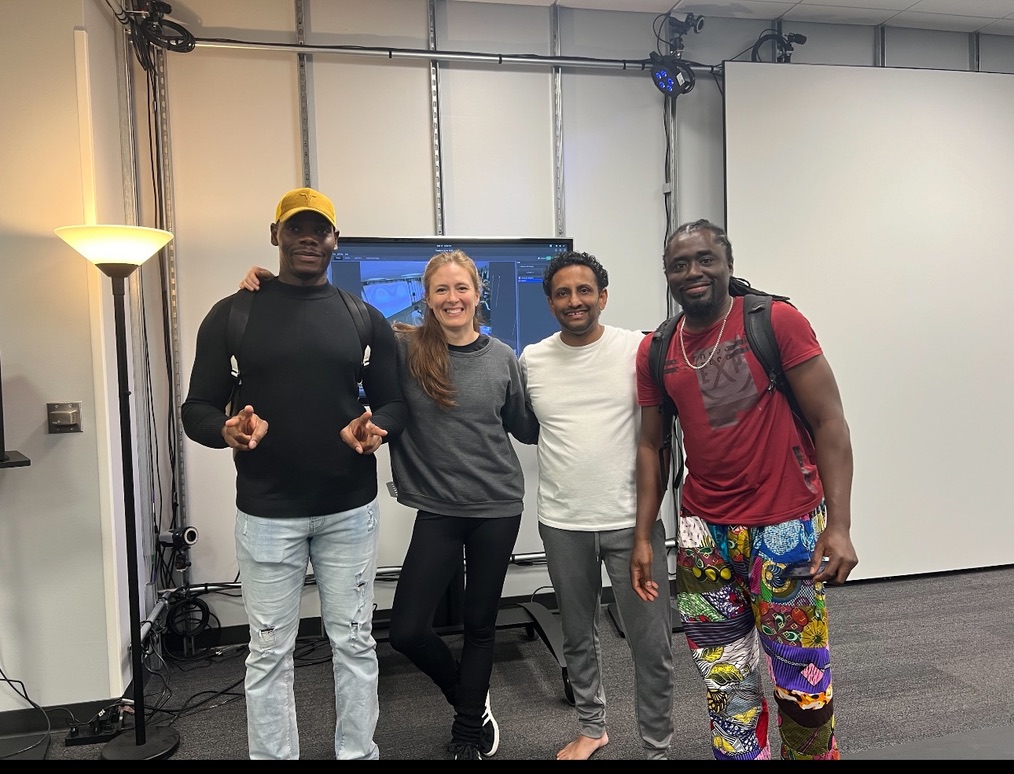
Confluence makers, mentors, and collaborators across labs, studios, archives, and classrooms.
This list reflects the people currently working inside the project. It will continue to grow as new confluence makers join the work.
Institutional Support
Global Movement Research is based at The University of Texas at Austin, in the Department of Theatre and Dance within the College of Fine Arts. Institutional support has come from the Department, the College, and the Office of the Vice President for Research, Scholarship, and Creative Endeavors.
Partner Inquiry
Thank you for your inquiry!
We will review your submission and respond within 5 business days.